
Elliott Wave Theory teaches us that markets don’t move in straight lines. Corrections are the pauses, consolidations, and retracements that balance impulsive trends. While simple corrections like Zigzags are straightforward, complex corrections demand deeper understanding. Let’s break down three of the most important: Triangles, Flats, and Double Threes.
Triangles
Definition: A sideways corrective pattern made up of five overlapping waves (A‑B‑C‑D‑E). There are different types of triangles as shown below.
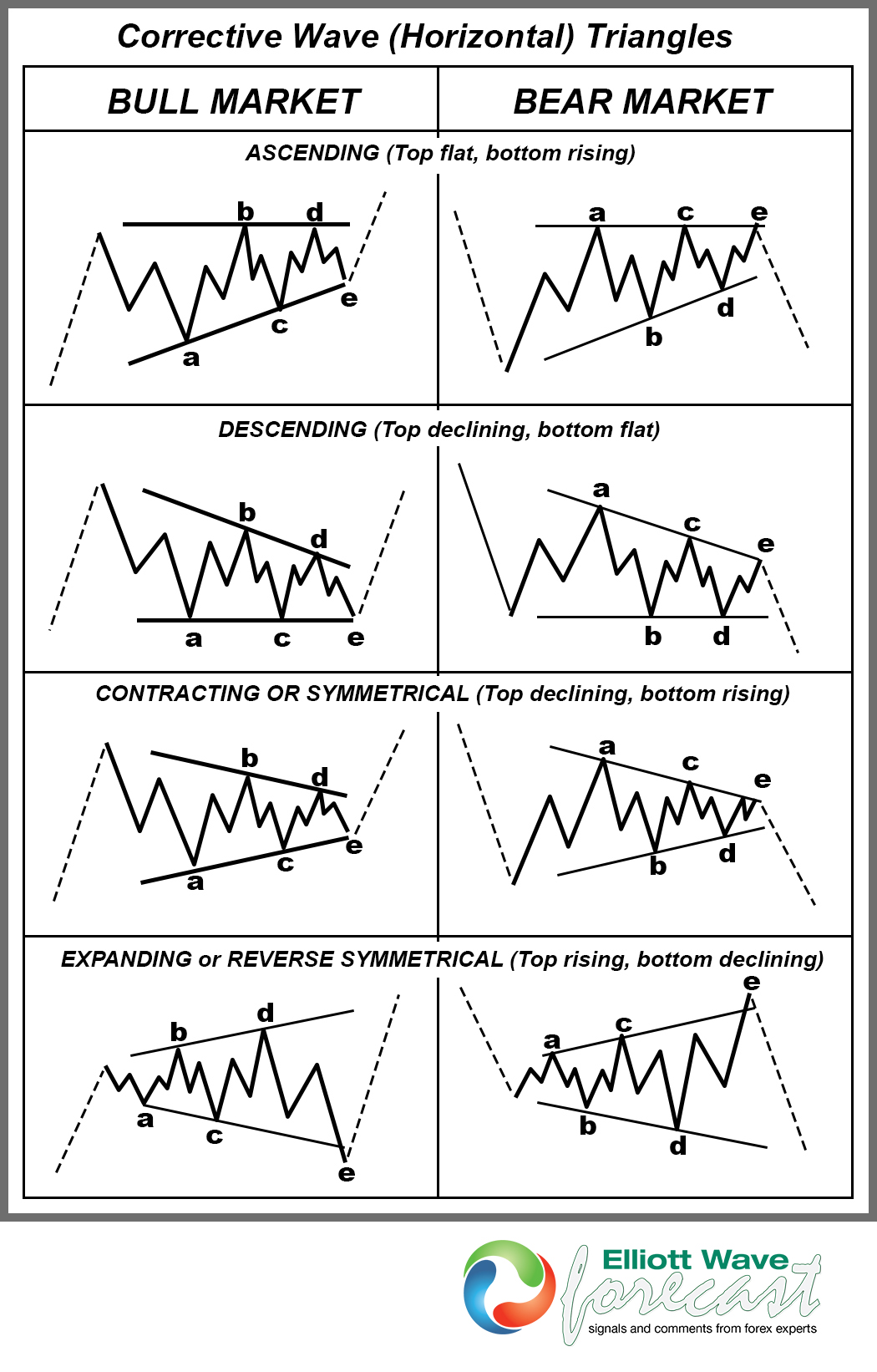
Traits:
- Typically form in Wave 4 or Wave B.
- Contracting, expanding, or barrier shapes.
- Price action narrows, reflecting indecision before a breakout.
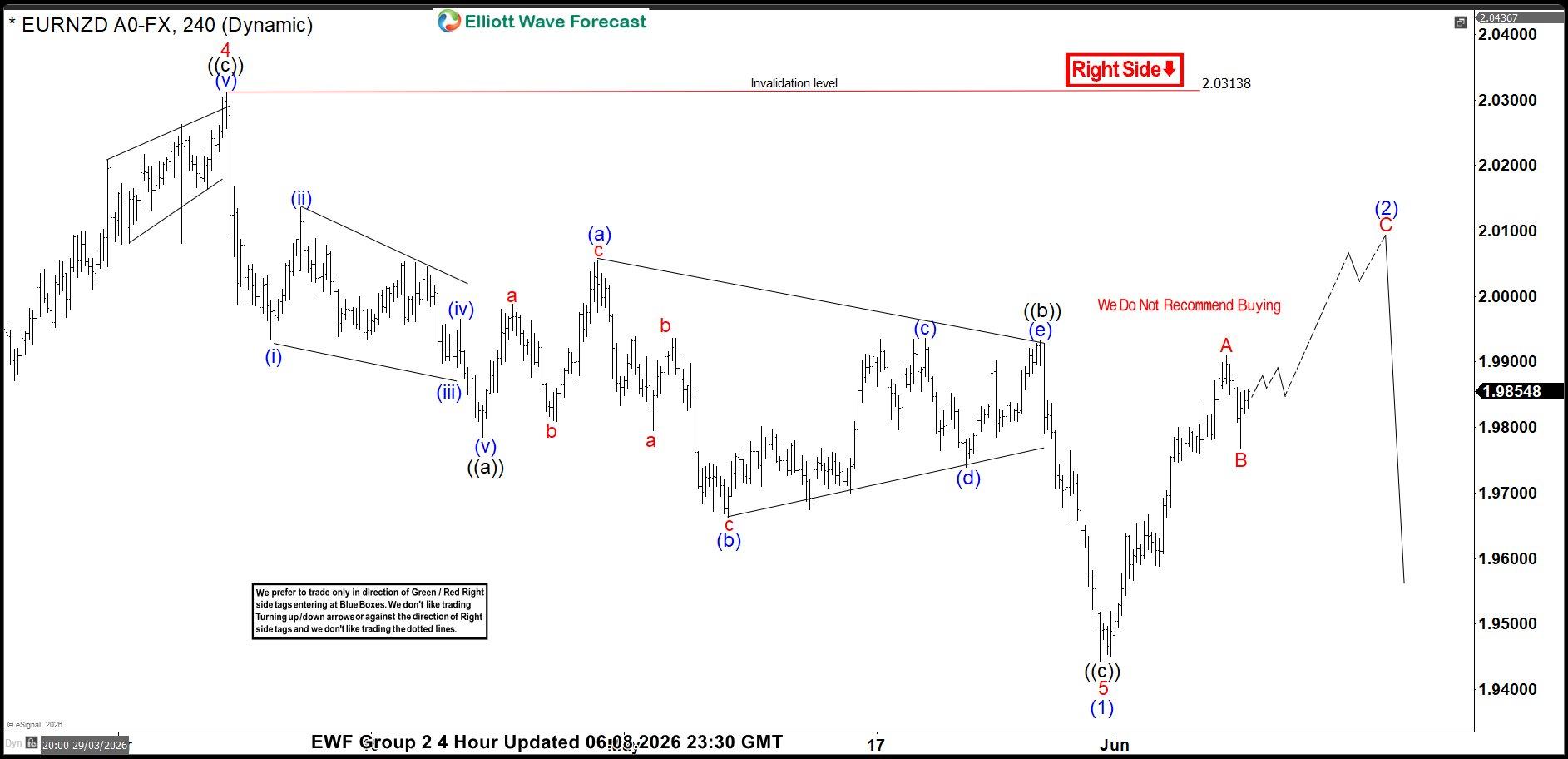
Trading Insight: The completion of wave E often signals a sharp breakout in the direction of the larger trend. Patience is key traders wait for the structure to finish before positioning. Below is a live example of breakout in a triangle on EURNZD charts after completing wave ((b))
Flats
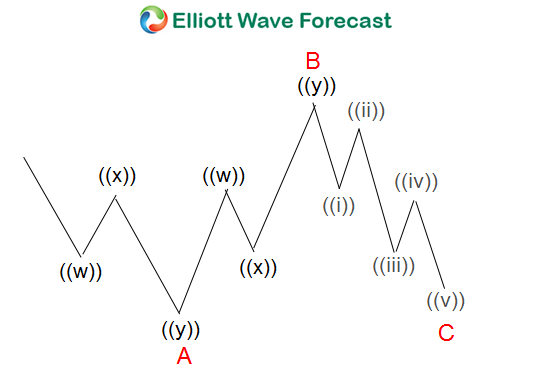
Definition: A three‑wave corrective structure labeled A‑B‑C, with a 3‑3‑5 subdivision. Traits:
- Wave A and B are corrective (three swings each).
- Wave C is impulsive (five swings).
- Commonly appear in Wave 2 or Wave B.
Variations:
- Regular Flat: Wave B retraces close to 100% of Wave A.
- Expanded Flat: Wave B exceeds the start of Wave A, and Wave C breaks beyond Wave A’s end.
- Running Flat: Wave B is strong, but Wave C fails to move beyond Wave A’s end.
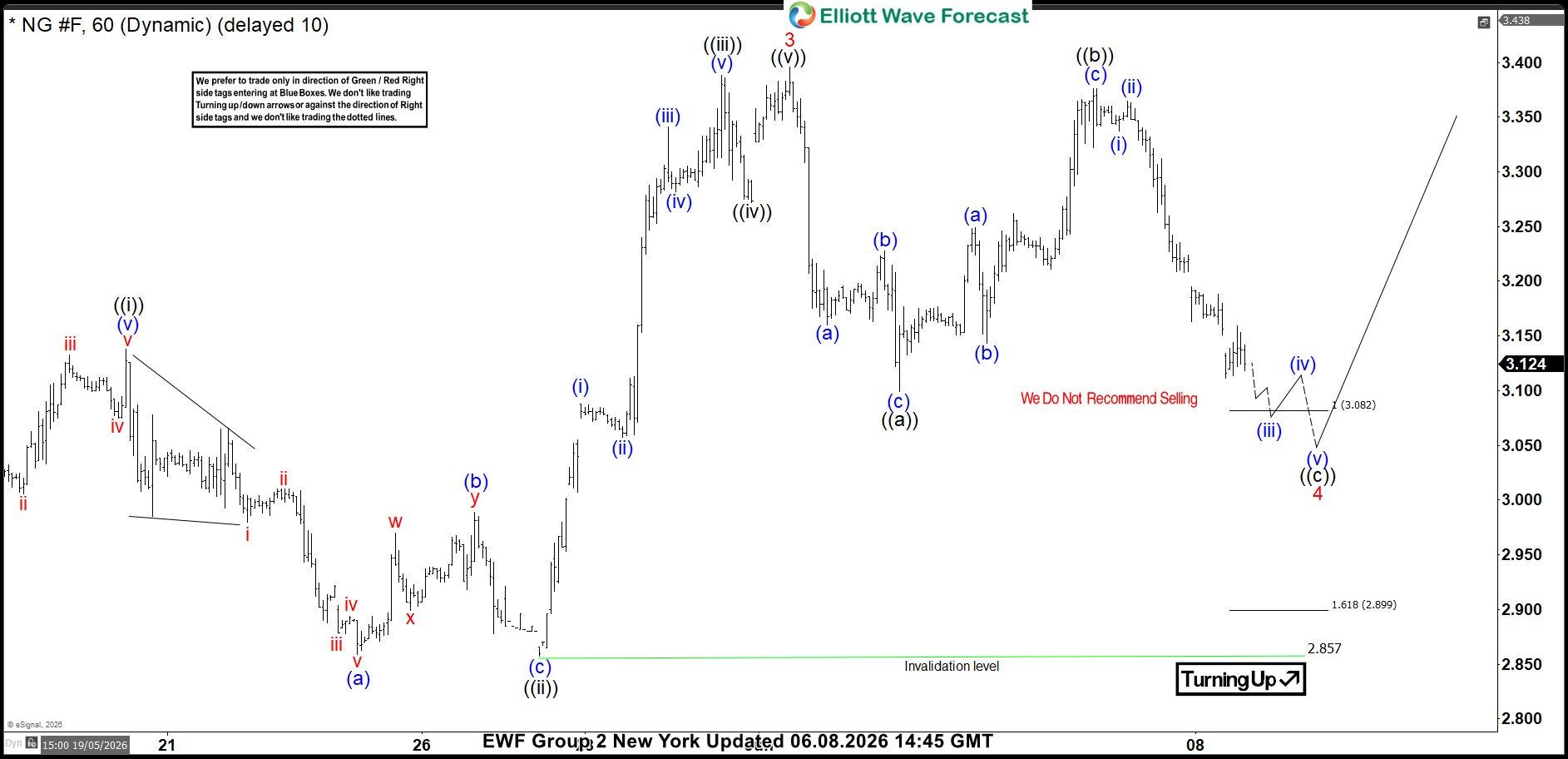
Trading Insight: Flats often trap impatient traders. Recognizing the 3‑3‑5 structure helps avoid false entries before Wave C completes. See below live example on NATGAS chart.
Double Threes (W‑X‑Y)
Definition: A combination of two corrective patterns linked by an intervening wave X. Traits:
- Can mix Zigzags, Flats, or Triangles.
- Creates a sideways, drawn‑out correction.
- Seen when the market needs more time to consolidate before resuming trend.
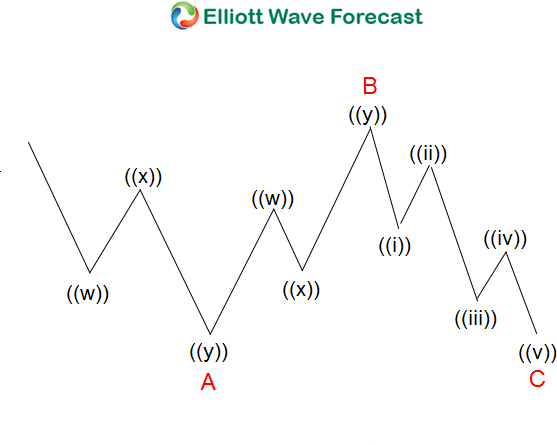
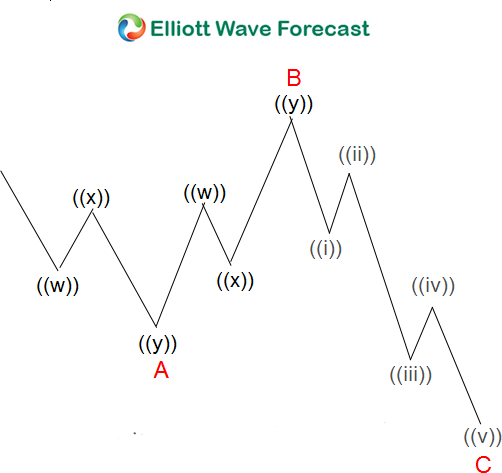
See below examples
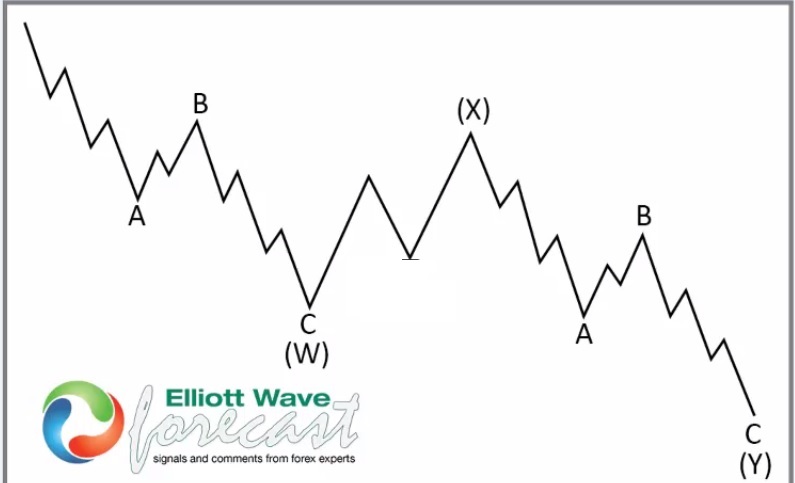
The above image is showing mix of 2 ZigZag patterns.
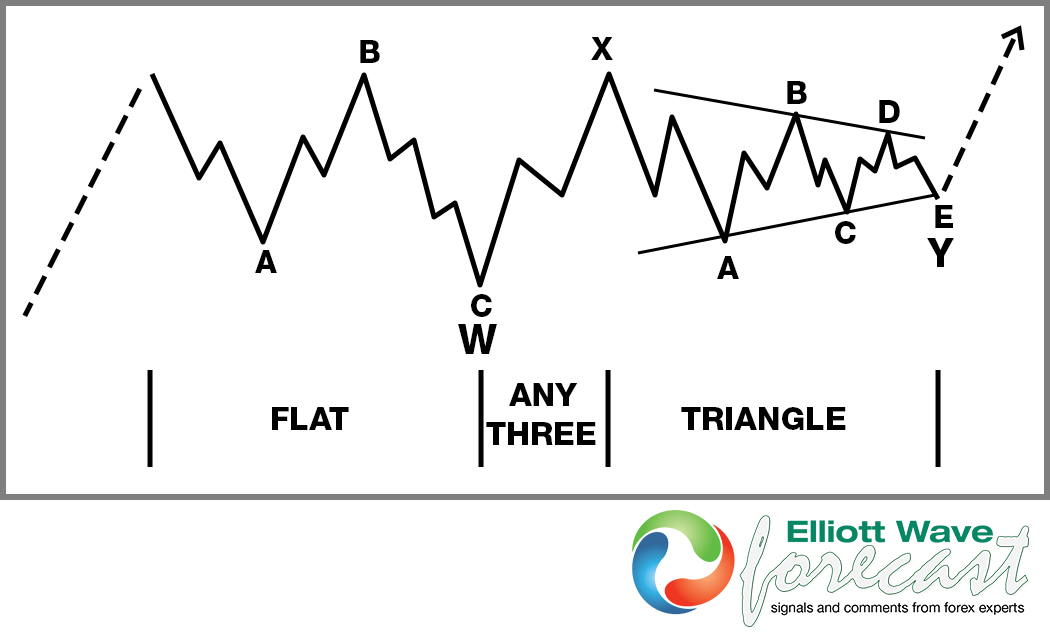
The above image is showing a mix of Flat and a triangle
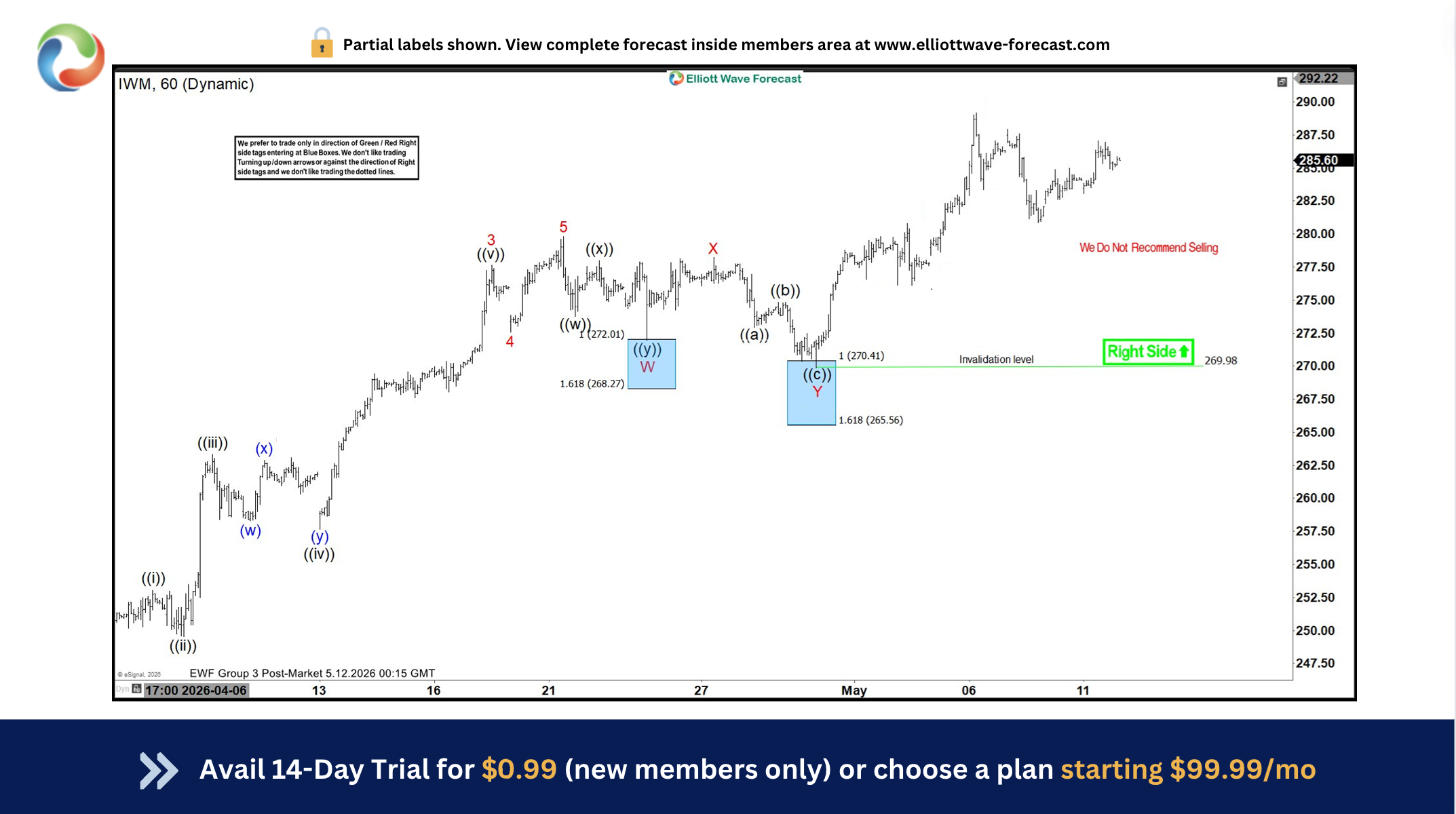
Trading Insight: Double threes test discipline. They remind traders that corrections can extend beyond simple A‑B‑C structures, requiring flexibility in analysis. Spotting this type of correction can deliver strong pip returns. Example below
Key Takeaway
Complex corrections—Triangles, Flats, and Double Threes—are the market’s way of stretching time and shaking out weak hands. Mastering them sharpens patience, improves timing, and prevents costly missteps. For Elliott Wave traders, understanding these structures is essential to navigating the rhythm of markets with confidence.